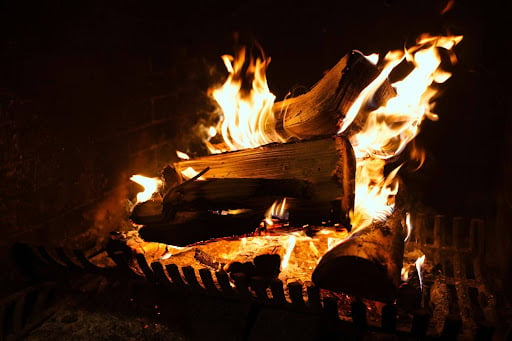
Why Ignoring Your Chimneys Could Make a Small Problem an Emergency
For many homeowners, the fireplace is one of the most comforting features of a house. It creates a warm gathering place during the colder months and often becomes the centerpiece of family celebrations and quiet winter evenings. Once the fire burns out and spring arrives, however, the fireplace is usually forgotten until temperatures begin to drop again.
That seasonal mindset is one of the reasons chimney problems often go unnoticed.
While fireplaces receive attention when they are in use, chimneys quietly continue performing an important function throughout the year. In many homes, they serve as part of the ventilation system, helping safely direct combustion gases outside. Like any other part of a home’s infrastructure, they experience wear over time and require routine maintenance to continue operating properly.
Industry professionals say that one of the biggest challenges is not convincing homeowners that chimneys matter. It is helping them understand that maintenance should happen before obvious warning signs appear. Companies such as Chimney Scientists have focused much of their homeowner education efforts on encouraging a more proactive approach to chimney care rather than waiting until an emergency forces action.
Fire Safety Starts Before the Fire Goes Out
Safe fireplace use extends beyond building and enjoying a fire. Properly extinguishing it is an essential part of protecting both the fireplace and the home.
As outlined in Chimney Scientists’ guide on how to safely put out a fireplace fire, homeowners should use the appropriate fireplace tools to spread embers, carefully remove ashes into a metal container, allow materials to cool completely, and close the damper only after the fire has been fully extinguished. Taking these simple precautions helps reduce the risk of accidental fires while protecting the fireplace from unnecessary damage.
The guidance also highlights an important detail that many homeowners overlook. Pouring excessive amounts of water onto a fire may seem like the fastest solution, but sudden temperature changes can damage masonry components. Allowing the fire to cool properly and following safe extinguishing procedures helps preserve both safety and the longevity of the fireplace itself.
While these practices are important, they represent only one part of fireplace safety. A properly extinguished fire does not necessarily mean the chimney system is free from underlying problems.
The Problems Homeowners Cannot See
Many chimney issues develop gradually and remain hidden for years.
Creosote, a byproduct of burning wood, slowly accumulates along the interior walls of the flue. Over time, this buildup can increase the risk of chimney fires if it is not removed. Moisture can also enter through small cracks in masonry, leading to deterioration that often remains invisible until significant damage has occurred.
Structural problems may develop inside the chimney liner, while animals, leaves, and other debris can create blockages that interfere with proper airflow.
Because these issues occur inside the chimney, homeowners rarely notice them during everyday use. A fireplace may continue to function normally even while hidden deterioration progresses behind the scenes.
This is one reason chimney professionals encourage inspections even when no obvious problems exist. Identifying small issues early often prevents them from becoming much larger repairs later.
Why Waiting Until Something Goes Wrong Is Expensive
For many homeowners, the first call to a chimney professional happens only after something has already gone wrong.
Smoke begins entering the room instead of rising through the chimney. Water stains appear near the fireplace after heavy rain. A persistent odor develops during the summer months. In more serious cases, an active chimney fire or structural damage demands immediate attention.
By that point, repairs are often more extensive than they would have been if the underlying issue had been identified earlier.
Like many parts of a home, chimney systems tend to deteriorate slowly rather than suddenly. Small cracks expand over multiple seasons. Moisture gradually weakens masonry. Minor blockages become larger obstructions over time.
Routine maintenance allows these conditions to be addressed while they are still manageable, reducing both repair costs and the likelihood of emergency situations.
Modern Chimney Inspections Are More Advanced Than Many People Realize
Many homeowners still picture chimney inspections as a simple visual examination from the roof or fireplace opening. Advances in technology have made the process considerably more thorough.
Today, many professionals use specialized cameras to inspect the interior of chimney systems, drones to evaluate hard to reach exterior components, and thermal imaging equipment to identify moisture intrusion or hidden structural concerns.
Some companies have also begun incorporating artificial intelligence into portions of the inspection process. AI assisted analysis can help organize inspection findings, identify potential building code concerns, and support technicians as they evaluate complex chimney systems. Rather than replacing experienced inspectors, these technologies provide additional information that helps create a more complete understanding of the system’s condition.
The result is a more detailed assessment that allows homeowners to make informed decisions before problems escalate.
What Every Homeowner Should Know
Safe fireplace ownership extends well beyond lighting a fire and cleaning up afterward.
Properly extinguishing each fire remains an important habit, but homeowners should also recognize that chimneys are active building systems that deserve regular attention. Even homes where fireplaces are rarely used may rely on chimney systems for ventilation, particularly older properties with fuel burning appliances.
Annual inspections provide an opportunity to identify developing issues before they affect the safety, efficiency, or structural integrity of the home. They also help ensure that repairs, when needed, are smaller and more manageable than they would be after years of neglect.
Prevention Is Easier Than Recovery
Home maintenance is often about addressing problems before they become emergencies, and chimney systems are no exception.
Extinguishing a fireplace correctly is one of the simplest ways homeowners can protect their property after every use. Equally important is recognizing that the visible fire is only one part of a much larger system working behind the walls and above the roof.
As organizations such as Chimney Scientists continue educating homeowners through practical safety guidance and modern inspection practices, the conversation around chimney care is gradually shifting from emergency response to long term prevention.
Ultimately, the safest homes are not necessarily the ones without problems. They are the ones that are constantly inspecting and preventing problems.


You May Also Like

We Have Unlimited Potential to Succeed on Our Journey
Choosing between a manual and an automatic transmission car