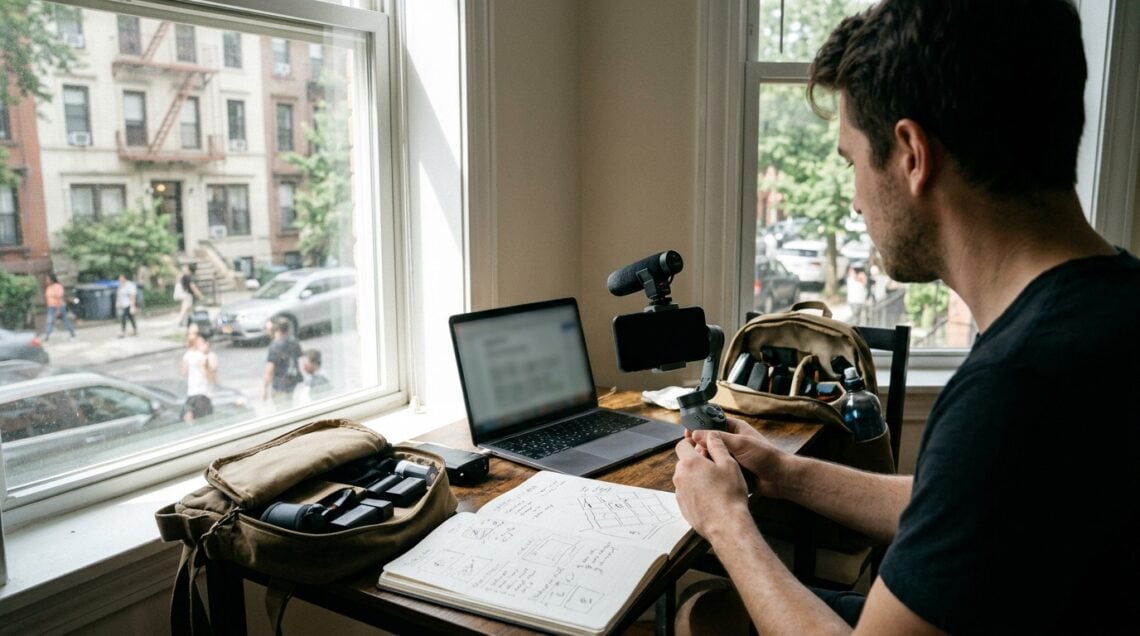
Practical Habits for Filming Engaging Neighborhood Stories
Every community holds quiet histories, vibrant public spaces, and compelling daily routines that deserve thoughtful documentation. For independent creators and curious residents, capturing these moments through video provides a tangible way to celebrate local culture and spark meaningful conversations. However, shifting from casual smartphone snapshots to focused visual journalism requires a deliberate strategy. A successful neighborhood video project relies far more on preparation, patience, and clear observation than on expensive production crews.
Stepping into the field means learning how to observe an environment without disrupting its natural rhythm. Whether you plan to highlight a beloved community garden, profile a neighborhood artisan, or explore changing architecture along a busy commercial avenue, having a solid plan keeps your creative energy focused. By adopting simple, repeatable habits, anyone can turn everyday streetscapes into compelling visual stories that resonate with viewers across town and beyond.
Clarifying Your Narrative Before You Step Outside
The most common pitfall in community video production is wandering around aimlessly while hoping an engaging story presents itself. Before packing any bags, spend an afternoon defining the core theme of your project. Ask yourself what single question or emotion ties the piece together. An unfocused video about an entire district often feels disjointed, whereas a tight focus on a morning market vendor or the restoration of an old corner theater creates an intimate and memorable viewing experience.
Preparation also involves considering how your presence impacts the people and places around you. While filming inside a controlled private room offers predictable lighting and total privacy, public storytelling introduces unexpected encounters. Creators who have worked through practical ways to balance safety and promotion understand that clear boundaries and situational awareness are essential whenever personal creative work interfaces with the wider world. Drafting a simple shot outline ahead of time allows you to move with purpose, respect local residents, and avoid drawing unnecessary scrutiny while gathering footage.
Selecting the Right Portable Setup for Easy Movement
Navigating busy sidewalks and quiet alleys requires a kit that is agile, lightweight, and discreet. Bulky rigs, large tripods, and excessive cables often intimidate community members and exhaust the person carrying them. A streamlined setup centered on a single handheld camera body, an articulating screen, and a versatile prime or short zoom lens lets you react swiftly to spontaneous moments without attracting unwanted attention.
Finding the right balance between compact dimensions and dependable video features takes careful research. Independent review platforms like bestcameraworld.com provide detailed comparisons of modern vlogging gear, helping creators identify models with reliable tracking autofocus, clean audio preamps, and effective built-in stabilization. Investing time into understanding how different bodies handle low light and battery endurance ensures you choose equipment suited to long walks and unpredictable field conditions.
In addition to your primary camera, prioritize audio capture above almost everything else. Audiences will tolerate subtle lighting variations or a brief camera shake, but harsh wind noise and unintelligible dialogue will cause them to stop watching immediately. A compact directional microphone with a furry windscreen shields your dialogue recordings from sudden gusts along open streets. Keeping a backup battery and a spare memory card in an accessible pouch prevents unexpected interruptions during an important interview.
Staying Informed on Hardware and Production Updates
Field videography tools evolve continuously, offering creative possibilities that once required specialized broadcast equipment. Recent firmware releases, mobile monitoring software, and efficient video codecs make it easier than ever to edit high-definition footage on modest computer setups. Staying attentive to how hardware and digital tools develop helps you make informed choices about when to upgrade and when your existing kit remains more than sufficient for your storytelling goals.
Rather than purchasing every new accessory that appears on the market, successful creators track developments through reliable technology resources. Consulting specialized news databases such as websearchde.com keeps you informed about broader consumer technology trends, digital software advances, and emerging filming devices that simplify content creation. Understanding industry shifts allows you to adopt practical workflow improvements, such as faster file transfer protocols or flexible color profiles, without chasing fleeting novelties.
Establishing a Respectful Field Workflow on Location
Technical proficiency means little if your approach on location feels intrusive or aggressive. When filming in public or semi-public spaces, courtesy is your greatest asset. Introducing yourself with a friendly smile, explaining what you are creating, and listening attentively builds immediate rapport with business owners and community members. Always respect when someone declines to appear on camera, and look for alternative ways to establish atmosphere through architecture, signage, and environmental ambient sounds.
- Introduce your project warmly before pointing a camera toward individuals.
- Keep public pathways and doorway entrances clear of your gear at all times.
- Capture broad scene transitions before focusing on small foreground textures.
- Offer to share the final published piece with the community members you interview.
Practicing this mindful approach transforms casual observation into genuine neighborhood collaboration. When people feel respected rather than exploited for content, they often share candid anecdotes, historic details, and personal insights that add tremendous depth to your video. Building these positive local connections also establishes goodwill for future projects across the community.
Organizing Raw Media and Bringing the Story Together
The work done after filming concludes is just as vital as the time spent holding the camera. Once you return from the field, transfer all footage into organized folders immediately. Group your assets by location, scene type, and audio tracks so that finding key soundbites during editing remains effortless. Maintaining clean digital storage habits prevents accidental data loss and keeps your creative rhythm intact.
During the editing stage, let the authentic rhythm of the neighborhood guide your pacing. Resist the temptation to fill every second with loud background music or fast cuts. Allow natural street audio, such as church bells, conversation murmurs, or passing transit sounds, to ground the viewer in the physical reality of the environment. A patient editing style honors the lived experience of the community and allows nuanced moments to shine.
Creating meaningful neighborhood video stories is a continuous craft that sharpens your observational senses and deepens your connection to the world around you. By approaching each street corner with genuine curiosity, an agile toolset, and respect for the residents who make the area special, you can produce visual work that informs and inspires your local audience.
Take time to plan your narrative, keep your gear dependable, and listen closely to the stories unfolding right outside your door. With thoughtful preparation and persistent practice, your field videos will become lasting records of community character and shared civic life.


You May Also Like

A1 Auto Transport’s Fleet Evolution: Joe Webster’s Role in Adapting to Changing Vehicle Technologies

How Medical Explainer Videos Are Helping Healthcare Organizations Communicate More Effectively
