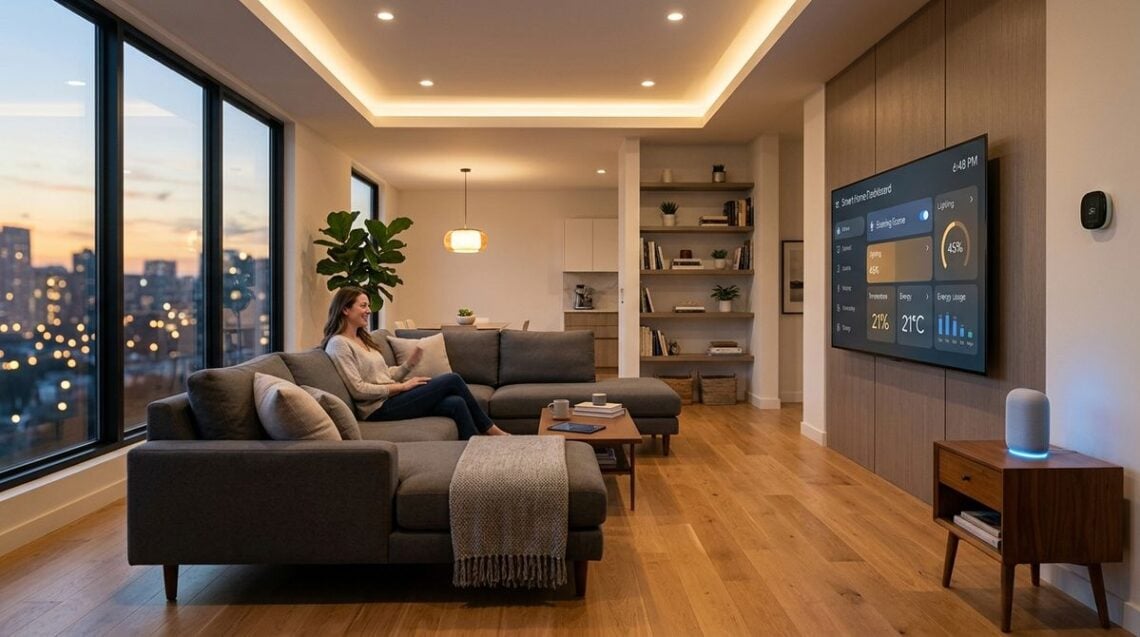
Making a House Feel Like Home Through Small Iterations
Moving into a new residence is a significant life event that often marks a fresh start. Whether you have downsized to a more manageable space or upsized to accommodate a growing family, the initial transition can feel overwhelming. Many people experience a desire to immediately transform their surroundings into a polished, finished home. However, trying to complete every project at once can lead to fatigue and decisions that do not truly serve your lifestyle in the long run.
Understanding Your Vision for a New Space
The first step in turning a house into your personal sanctuary involves observing how you interact with the environment over time. Rather than rushing to purchase furniture or commit to decor choices, spend a few days simply living in the space. Notice how light enters different rooms throughout the day and observe where you naturally spend your time. This period of observation allows you to understand the potential of each room and identify what truly matters for your daily comfort.
Once you begin to understand the flow of your new home, focus on defining the purpose of each area. It is helpful to consider how different activities can coexist within the same room. By thoughtfully evaluating your daily routines, you can make decisions that enhance your quality of life without the need for drastic or expensive changes early on.
The Importance of Iterative Improvement
When you consider how to improve your living environment, think of the process as a living project that adapts to your needs. This approach allows for flexibility and ensures that your home evolves alongside your personal preferences. Platforms like rough-draft.net emphasize that refinement is a continuous journey, helping you build trust in your own design decisions as you adapt the space over time.
By taking an iterative approach, you avoid the pressure to get everything right on the first attempt. Start with small, manageable adjustments that provide immediate benefits. You might rearrange furniture to improve traffic patterns or simplify your decor to create a more restful atmosphere. These minor changes help you feel more settled and allow you to appreciate the potential of your home before making larger commitments.
Assessing the Potential of Your New Home
Looking for a property that fits your needs often begins with identifying the right layout and location, but the real work starts after the keys are in hand. Exploring resources such as idreamhomez.com can assist in identifying houses that align with your long-term goals for comfort and utility, but the actual transformation into a home requires a deep understanding of your own lifestyle.
When assessing your home, look at the architectural bones and the unique features that make it special. Rather than trying to force the house to fit an preconceived aesthetic, look for ways to enhance what is already present. This might mean highlighting architectural details, maximizing natural light, or simply finding the best placement for the furniture you already own. Focus on building upon the existing structure, allowing the house to reveal its character as you make it your own.
Planning Functional Zones
Once you have settled into the floor plan, it helps to identify specific needs for your daily activities. Even in smaller spaces, clearly defining areas for work, relaxation, and leisure can significantly improve your overall experience. You might start by creating your own dedicated hobby corner to ensure that personal interests have a designated area within the larger living environment.
Dividing a room into functional zones does not require major construction. Use rugs, lighting, or the strategic placement of bookshelves to suggest boundaries. This strategy helps to organize your daily life and reduces clutter by ensuring that items associated with specific tasks stay within their designated areas. When each activity has a place, the entire home feels more harmonious and easier to maintain.
Selecting Furnishings with Long-Term Utility
When selecting new items for your home, prioritize versatility and durability over temporary trends. Choosing pieces that can adapt to different uses or be moved between rooms as your needs change will save you time and effort in the future. Consider furniture that offers hidden storage, modular options that can be reconfigured, or classic designs that will remain relevant as your style evolves.
Focus on quality materials that will withstand daily use and age gracefully. Investing in items that serve a clear function ensures that every piece in your home is working for you, rather than just occupying space. When you carefully curate your belongings, you create a space that is both practical and deeply personal, reflecting your true needs rather than an external expectation of what a home should look like.
Balancing Aesthetics and Daily Practicality
Creating a home that feels both beautiful and livable requires a careful balance between your visual preferences and the realities of daily life. A well-designed space should be a backdrop for living, not a museum that requires constant maintenance. The key is to incorporate habits that keep your environment manageable while allowing your personal style to shine through.
- Return items to their designated places after each use to prevent clutter from accumulating.
- Clear surfaces regularly to maintain a sense of calm and openness in shared rooms.
- Incorporate natural elements like plants to bring warmth and life into your living spaces.
- Establish a routine for sorting incoming mail or items to keep entryways clear and functional.
Ultimately, making a house feel like home is about creating an environment that supports your well-being. By focusing on small, meaningful iterations, you can transform your space at a pace that is comfortable and sustainable. This thoughtful approach ensures that your home will continue to serve you well, adapting as your lifestyle shifts and your personal narrative unfolds over the years.


You May Also Like

Practical Ways to Counteract Sedentary Habits at Work
A Tidy School Bag Routine That Children Can Own