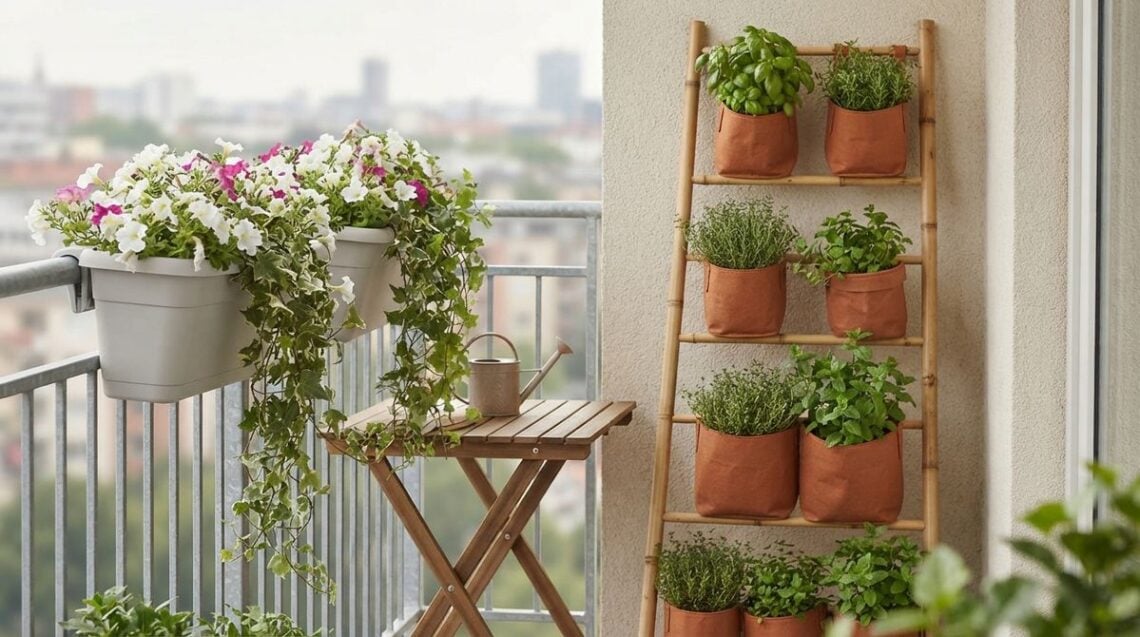
Creating a Sustainable Sanctuary on Your Apartment Balcony
For those living in apartments, the balcony often serves as the only direct connection to the outdoors. While it may seem limited in size, this space holds significant potential to become a vibrant, functional extension of your home. Transforming a balcony requires thoughtful planning, focusing on durability, efficiency, and a desire to create a personal retreat that brings comfort and a touch of nature into your daily routine. By treating the area with the same intention as an interior room, you can maximize its utility throughout the seasons.
Assessing Your Available Space
Before beginning any changes, take time to carefully evaluate the physical limitations and environmental factors of your balcony. Safety is the foremost priority, so understand any weight restrictions imposed by your building management. Avoid overloading the balcony with heavy planters or dense furniture. Consider the orientation of the space: a balcony facing south may receive intense, direct sunlight, while a north-facing area might remain perpetually shaded. Understanding these patterns is essential for selecting appropriate materials and greenery that will thrive in your specific conditions.
Examine the drainage situation as well. Ensure that water can easily flow away from the building foundation to prevent moisture buildup or damage. If the existing surface is aged or worn, consider temporary, weather-resistant solutions that do not require permanent installation, such as interlocking outdoor tiles. Creating a comfortable foundation makes the entire space feel more welcoming, encouraging you to spend more time outdoors.
Cultivating Your Sustainable Mini-Garden
Integrating greenery into a small space transforms the atmosphere, providing a sense of relaxation and connection to the environment. Start by choosing containers that are durable, lightweight, and ideally made from recycled materials. Focus on selecting plant species that are well-suited to your local climate and sun exposure. When looking for methods to improve your green practices, you can find inspiration for making homes eco-friendly and sustainable at Greenrenters.org to guide your choices in soil, plant selection, and responsible water use.
Prioritize vertical gardening to save precious floor space. Wall-mounted planters, trellises for climbing vines, or hanging baskets can add layers of interest without cluttering the ground. This approach also allows you to control the growing conditions more effectively. When you choose plants, opt for varieties that support local pollinators, which can add a dynamic element of life and movement to your balcony garden. Always remember to use pots with proper drainage holes to ensure the health of your plants.
Furnishing for Comfort and Durability
Selecting the right furniture is key to making a balcony a functional, usable space rather than just a storage area. Because outdoor pieces are exposed to the elements, prioritize materials designed to resist moisture, sun damage, and temperature fluctuations. Weather-treated wood, powder-coated metal, or synthetic wicker are popular choices that offer longevity. For those seeking advice on maintaining these improvements and selecting effective products for home comfort, betterhomeguide.com provides useful information for homeowners and DIY enthusiasts alike.
In compact areas, versatility is important. Look for folding tables and chairs that can be easily tucked away when not in use. This flexibility allows you to reclaim space for other activities, such as stretching or setting up temporary workspace, when needed. Complement your seating with outdoor-rated soft goods, such as weather-resistant cushions or pillows, to add comfort. These items can be easily stored indoors during inclement weather, helping to extend their lifespan.
Vertical Organization and Storage
When floor space is minimal, the most efficient strategy is to look upward. Utilizing the vertical surfaces of your balcony allows you to keep the area organized without sacrificing room to move. Consider the following techniques for efficient storage:
- Install wall-mounted hooks to hang garden tools, watering cans, or cleaning supplies.
- Utilize a tall, narrow shelving unit to hold containers, decor, or outdoor books.
- Attach sturdy brackets to the balcony railing for small, removable storage bins.
- Use a hanging shoe organizer to store smaller items or even hold herbs.
- Incorporate a small, foldable bench that features hidden interior storage for cushions.
By keeping essential items off the ground, the balcony feels less cluttered and more intentionally designed. This vertical approach keeps your tools accessible but neatly organized, ensuring that you can easily maintain the space without searching for necessary supplies.
Lighting and Energy Efficiency
Proper lighting extends the usability of your balcony into the evening hours, transforming the mood and enhancing safety. Focus on lighting options that prioritize energy efficiency and ease of installation. Solar-powered string lights are an excellent choice, as they require no wiring and charge throughout the day. They provide a gentle, atmospheric glow without increasing your energy usage. Consider adding motion-activated lights near your balcony door to improve visibility when you step out after dark.
While you focus on optimizing your living area, it is also useful to consider how spaces are managed elsewhere; for instance, a practical guide to filling retail vacancies demonstrates how thoughtful management can revitalize unused property. Apply this same principle of maximizing potential to your own home environment. By selecting lighting that is both functional and aesthetically pleasing, you create a space that feels like an intentional continuation of your indoor living area, perfect for unwinding at the end of the day.
Sustaining Your Outdoor Retreat
Maintaining a balcony requires a consistent approach to ensure it remains a welcoming environment. Regularly clean the surface and furniture to prevent the buildup of dust or debris. During periods of heavy rain or extreme weather, take steps to protect your items, such as covering cushions or bringing smaller plants inside. Caring for your balcony ecosystem in this way ensures that it remains clean, safe, and ready to enjoy whenever the weather permits.
Pay close attention to your plants throughout the changing seasons. They may require less water in cooler months and different care depending on the sun intensity. By staying observant of the needs of your balcony, you cultivate a space that thrives alongside you, providing a resilient and comfortable extension of your home. This effort, while small, contributes significantly to the overall wellness and enjoyment of your living space.


You May Also Like

Exploring Maine Coon Origins: Tracing Their Ancestral Roots

Choosing Between Rental Vehicles and Professional City Transfers