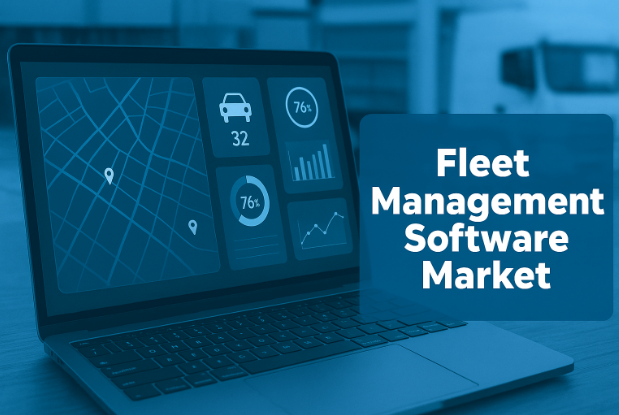
How Fleet Management Software Is Transforming Modern Transportation Operations
Fleet management has evolved from a manual, paper-heavy process into a highly intelligent, technology-driven system that empowers businesses to operate with greater efficiency, safety, and cost control. As transportation networks grow more complex and customer expectations rise, fleet operators are under immense pressure to optimize routes, reduce fuel consumption, manage assets, and maintain compliance. This is where fleet management software (FMS) plays a critical role. Powered by real-time data, automation, and advanced analytics, FMS is reshaping how organizations manage vehicles, drivers, and daily operations across logistics, last-mile delivery, construction, mining, rental services, public transport, and more.
This transformation is not limited to improving fleet visibility—it is actively redefining the strategic value of transportation management. Once considered a back-office necessity, fleet management technology is now a core enabler of competitive advantage. Companies that invest in modern FMS enjoy faster deliveries, reduced operational costs, enhanced driver safety, and improved customer satisfaction. In a landscape where even minutes matter, real-time insights and predictive capabilities can determine whether a business keeps up or falls behind.
Fleet management software integrates GPS tracking, driver monitoring, maintenance alerts, fuel analytics, telematics data, and automated reporting into a single centralized platform. This convergence enables organizations to streamline operations on a daily basis while also making more informed long-term decisions. As industries attempt to adapt to sustainability pressures, rising fuel costs, and new compliance standards, intelligent fleet systems have become essential tools that support agile, resilient, and future-ready transportation networks.
Market Growth: A Catalyst Behind Industry Transformation
The Fleet Management Software Market size was worth USD 33.03 billion in 2024 and is expected to reach USD 98.96 billion by 2032 and grow at a CAGR of 14.70% over the forecast period 2025-2032. This surge reflects increasing adoption of telematics, regulatory tightening on driver safety, rising fuel prices, expansion of last-mile delivery services, and the widespread shift toward digital transformation. Businesses are recognizing that automation and data-driven optimization are no longer optional—they are essential for maintaining scalability and profitability. As companies across industries feel pressure to enhance operational visibility, the demand for intuitive, cloud-based fleet management platforms continues to accelerate.
This growth also signals a shift in mindset. Fleet management is no longer viewed as an isolated operational function; it has become a strategic decision-making tool for cost savings, sustainability, and customer service excellence. Organizations are investing in advanced FMS not just to track assets but to elevate their entire logistics ecosystem.
Transforming Fleet Operations Through Real-Time Visibility
A major driver of this transformation is the ability to access real-time insights. Traditional fleet operations relied heavily on delayed updates and manual communication, which often led to inefficiencies, unexpected downtime, and higher costs. Modern FMS enables operators to track vehicle location, performance, and driver activity instantly. This visibility supports:
- Better route planning and scheduling to reduce delivery times and fuel use
- Faster response to disruptions such as traffic delays, breakdowns, or weather changes
- Enhanced theft prevention and asset monitoring across distributed locations
Real-time data also empowers dispatchers and fleet managers to make proactive decisions, improving reliability and reducing the risks associated with operational blind spots.
Enhancing Driver Safety and Accountability
Human error remains one of the leading causes of road accidents, fuel wastage, and premature vehicle wear. Fleet management software has revolutionized driver oversight by offering tools such as behavior monitoring, fatigue alerts, speed notifications, and digital logbooks. These features help companies promote safer driving habits and reduce safety-related incidents.
Better data leads to better coaching. When drivers receive actionable feedback on idling, harsh braking, speeding, or aggressive driving, they become more aware of their habits and improve over time. This not only enhances safety but also extends vehicle lifespan and lowers maintenance costs.
Optimizing Fuel Efficiency and Reducing Costs
Fuel accounts for one of the largest expenses in fleet operations. With global fuel prices fluctuating unpredictably, businesses are under mounting pressure to control consumption. Fleet management software provides detailed fuel analytics that help organizations identify inefficiencies, detect fuel theft, monitor idling, and optimize routes. These insights contribute to significant long-term cost savings while also supporting sustainability goals.
The ability to analyze patterns enables companies to set benchmarks, reduce unnecessary trips, and improve overall vehicle utilization. Every percentage of fuel saved contributes to higher profitability—making FMS a valuable investment for cost-sensitive industries.
Predictive Maintenance: Preventing Downtime Before It Happens
Unexpected vehicle breakdowns disrupt schedules, increase repair costs, and negatively impact customer satisfaction. Fleet management platforms offer predictive maintenance tools that help businesses stay ahead of costly repairs. Instead of reacting to failures, organizations can track engine performance, mileage, temperature, and error codes to anticipate issues before they escalate.
This proactive approach minimizes downtime, extends fleet lifespan, and ensures vehicles remain compliant with regulatory requirements. Predictive maintenance has become a cornerstone of operational resilience across transportation-dependent industries.
Improving Customer Experience Through Digital Accuracy
In sectors such as e-commerce, logistics, passenger transport, and field services, customer expectations revolve around speed, accuracy, and transparency. Fleet management software enhances customer experience by offering reliable ETAs, tracking updates, and timely service delivery.
With better route optimization and real-time communication, businesses can reduce delivery windows, avoid unnecessary delays, and improve service predictability. This competitive advantage is particularly important for companies operating in crowded, fast-growing markets.
Preparing Fleets for an Autonomous and Electric Future
Fleet management software is also shaping the future of mobility by supporting the integration of electric vehicles (EVs), autonomous systems, and advanced telematics. As businesses transition toward sustainable transportation models, FMS will play a pivotal role in managing charging cycles, monitoring battery health, optimizing range, and analyzing EV performance.
Similarly, autonomous fleets rely heavily on high-quality data streams and centralized management tools—exactly what modern FMS platforms provide. This ensures that fleet operators are ready to adapt as industry technology evolves.
Conclusion: A Digital Ecosystem Driving the Future of Fleet Operations
Fleet management software is no longer just a monitoring tool; it is a strategic driver of operational excellence, cost efficiency, and competitive positioning. By offering real-time visibility, predictive analytics, optimized routing, improved safety, and better customer experience, FMS is transforming transportation operations worldwide.
As the market continues to grow and digitalization accelerates, companies that adopt advanced fleet technologies will be better positioned to scale, innovate, and deliver at a higher level. The future of transportation is intelligent, connected, and data-driven—and fleet management software is at the center of this global transformation.


You May Also Like

How to Choose the Perfect Home Decor for Your Business

How Faisal “Vice” Wardak’s Team From Purgion INC Grew To Become The Strongest In Music Marketing