Tire Care and the Small Habits That Keep Cars Safe
Most drivers think about tires only when a warning light comes on or a flat appears on the highway. Tires carry the car’s weight, handle steering and braking, and react quickly to neglect. Small habits can keep them in better condition for longer. This article explains practical tire care in plain terms for everyday readers.
The information here is general and is not a substitute for guidance from a qualified technician or the vehicle manufacturer. Tire specifications, regulations and inspection rules vary, so check the details that apply to your car. No specific brand or product is recommended. The aim is to make routine checks feel manageable rather than mysterious. A few routine checks each month can catch many common tire problems early, long before they become costly.
Reading the Sidewall Before You Buy
The sidewall of a tire holds a lot of information, from size and load ratings to the date of manufacture. Learn to read the codes printed there so you understand what is installed on your car. A mismatch between the tire and the vehicle’s recommendations can affect handling and safety. Keep a note of the size so you can check replacements quickly.
Tread depth is another important detail, and many drivers never measure it until a problem appears. A simple coin test or a dedicated gauge can show whether tread is getting low. Replace tires before they reach the minimum legal depth in your area. Readers may also want to visit biz-kubo.net.
Pressure Checks That Fit Into a Normal Week
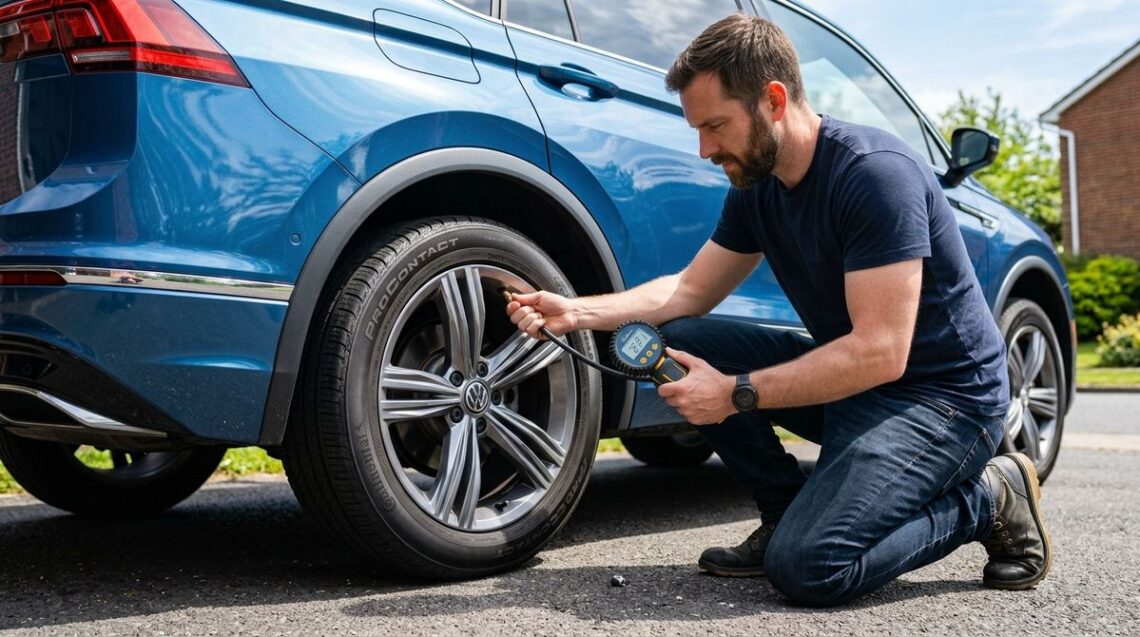
Tire pressure changes with temperature, so a reading taken on a cold morning may differ from one taken after a long drive. Check pressure when the tires are cold, and use the value listed in the vehicle manual or on the door placard. Include the spare tire in your checks if your car has one. A gauge kept in the glove box makes the habit easy to maintain.
Underinflated tires can wear unevenly and increase fuel use, while overinflated tires may feel harsh and wear the center of the tread. Adjust pressure gradually and recheck it after a short drive. If one tire keeps losing air, ask a technician to look for a slow leak. You can also visit cbdjiaoyi.com for more reading.
Rotation, Alignment and Uneven Wear
Rotating tires at the interval recommended by the manufacturer helps them wear more evenly. Uneven wear often points to alignment or suspension issues that should be checked. Notice whether the car pulls to one side or whether the steering wheel sits off center. Early attention can save money and reduce risk.
A technician can explain what the wear pattern suggests and which repair makes sense. Ask for a clear explanation of any work recommended, and request the old parts if you want to see them. For a related read on this site, see The People Behind a Well-Planned Home Renovation. Treat the list as a starting point for questions rather than a final diagnosis.
Seasonal Changes and Storage Habits
Seasonal temperature swings change tire pressure and grip, so plan for those shifts before the weather turns. Some drivers keep a second set for colder months, which requires careful storage. Store tires in a cool, dry place away from direct sunlight and fuel. Label each set so you know which wheels go where.
Cleaning tires and rims regularly removes road salt and grime that can cause damage over time. Use a gentle cleaner recommended for wheels, and rinse thoroughly. Check for cracks, bulges and embedded objects after each drive. Small, regular attention keeps tires safer and more predictable.
Balancing Tires With Brakes and Suspension
Tires are only one part of a system that includes brakes, suspension and steering. Worn shock absorbers can cause uneven contact with the road, which speeds up tire wear. A technician can check these parts during the same visit as a tire inspection. Ask the technician to explain how each finding relates to the tires you are considering.
Brake pads also influence how tires feel under hard stops, especially on wet pavement. Listen for grinding or squealing and notice whether the pedal feels soft or pulsing. Keep a log of any noises and the conditions when they appear. Report these signs promptly, since small problems tend to grow when they are ignored.
Keeping the Basics Ahead of the Warning Light
Tire care rewards consistency more than occasional heroic effort. A monthly check, a seasonal review and a professional inspection cover most needs. Use the warning light as a last reminder rather than the first. When in doubt, ask a qualified technician for help before the next long trip. Reading the tread and the sidewall together gives a clearer picture of tire health.


You May Also Like

10 Trends Shaping the Tech Industry: What to Watch Out for This Year

How to Create a Supportive Community Wellness Network