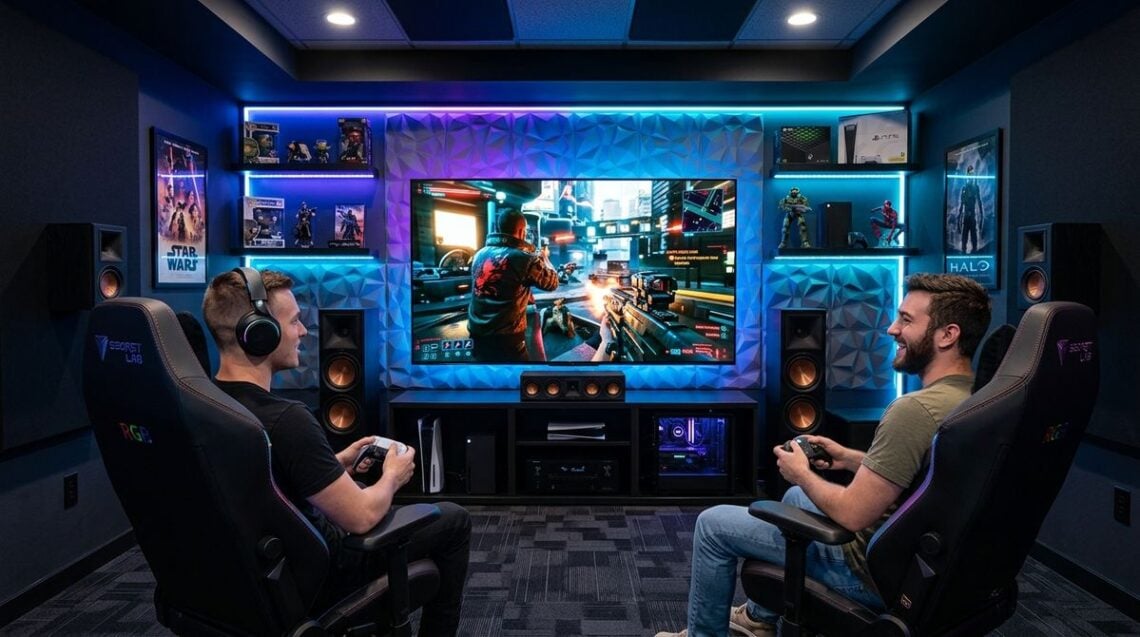
Planning a Monthly Soundtrack Listening Night for a Local Gaming Club
A monthly soundtrack listening night gives a local gaming club a relaxed reason to meet between tournaments, game launches, and busy seasons. Members bring favourite pieces of game music, take turns explaining why a track matters to them, and often leave with a long list of new recommendations. The format sounds simple on paper, but volunteers who run these evenings usually discover that small details decide whether people come back the following month. This article walks through the planning steps that tend to matter most, from choosing a theme to keeping the room comfortable for everyone who attends.
Setting a clear theme
Many successful evenings begin with a theme that is narrow enough to spark conversation but broad enough that everyone can take part. A theme such as music from fantasy role-playing games, tracks from handheld consoles, or pieces built around a single instrument gives members a starting point. Without a theme, the night can drift from one game to another, and quieter members may feel they have nothing useful to contribute.
Themes also make preparation easier. A volunteer can ask three or four members to bring one track each, which keeps the playlist manageable and stops the evening from running past its planned end. Rotating the theme every month, and inviting members to suggest the next one, spreads the work of choosing and gives people a real sense of ownership over the group.
Preparing the room and the sound
The listening experience depends heavily on the room. A space with soft furnishings and a lower ceiling often sounds better than a large hall with hard walls, because the music is less likely to bounce around and blur into noise. Volunteers should test the speakers well before the doors open and agree on a volume level that allows conversation without people having to shout over the music.
Some members will want to watch footage or screenshots alongside the soundtrack, while others will prefer to close their eyes and simply listen. Offering both options, perhaps with a screen in one corner and seating away from it, respects different preferences. Readers may also want to visit Morskoiboy.com.
A short printed list of the tracks, with the game and composer named where known, helps members follow along and find music they want to revisit later. Keep copies on a table near the entrance so that latecomers can join in without interrupting.
Running the evening in clear blocks
Timekeeping is often the difference between an evening that feels rewarding and one that feels tiring. A useful pattern is to divide the night into short blocks, each with a clear purpose. Writing the blocks on a card near the door helps the host stay on schedule without interrupting the flow of the music. A simple run sheet for the evening might look like this:
1. Welcome, followed by a short explanation of the theme
2. Two rounds of tracks, each followed by a brief group discussion
3. A break with refreshments and informal conversation
4. A final round of tracks chosen by members who have not yet picked one
5. A closing thank you and a note about next month’s theme
Playlists should be shared with the group before the evening so people can prepare. Asking contributors to send their choices a week ahead gives the host time to check that each file plays properly and that the list is balanced across different eras and styles. You can also visit grenadajeeptours.com for more reading.
Keeping the evening welcoming
Welcoming new members is a responsibility that often falls on the same few volunteers each month. Greeting people at the door, introducing them to someone who shares their interests, and explaining the format in a single sentence can make a major difference. Many newcomers feel far more comfortable when they know they do not have to name a favourite track or defend their taste in front of strangers.
Organisers should also think about accessibility. Clear signage, step-free access where possible, a quiet corner for anyone sensitive to loud sound, and a plan for people with hearing needs all help more members attend. It is worth asking attendees in advance whether they need any adjustments, and then acting on what they say. For a related read on this site, see Turning a Saturday Trail Walk into a Weather.
Finally, the host should close each evening by thanking the people who helped. Setting up chairs, carrying equipment, and preparing refreshments are often unnoticed tasks, and a brief mention in the closing round reminds everyone that the club depends on shared effort rather than on a few individuals.
A soundtrack night does not need a large budget or elaborate equipment to succeed. It needs a clear theme, a comfortable room, a timetable that respects everyone’s time, and volunteers who make newcomers feel at home. Try one evening, gather honest feedback, and adjust the following month’s plan accordingly. Over time the group will develop its own traditions, and those traditions are often what keep members coming back.


You May Also Like

How Custom Printed Packaging Boxes Will Enhance Your Branding Efforts

The Benefit of CBD Oil: CBD Oil for Arthritis