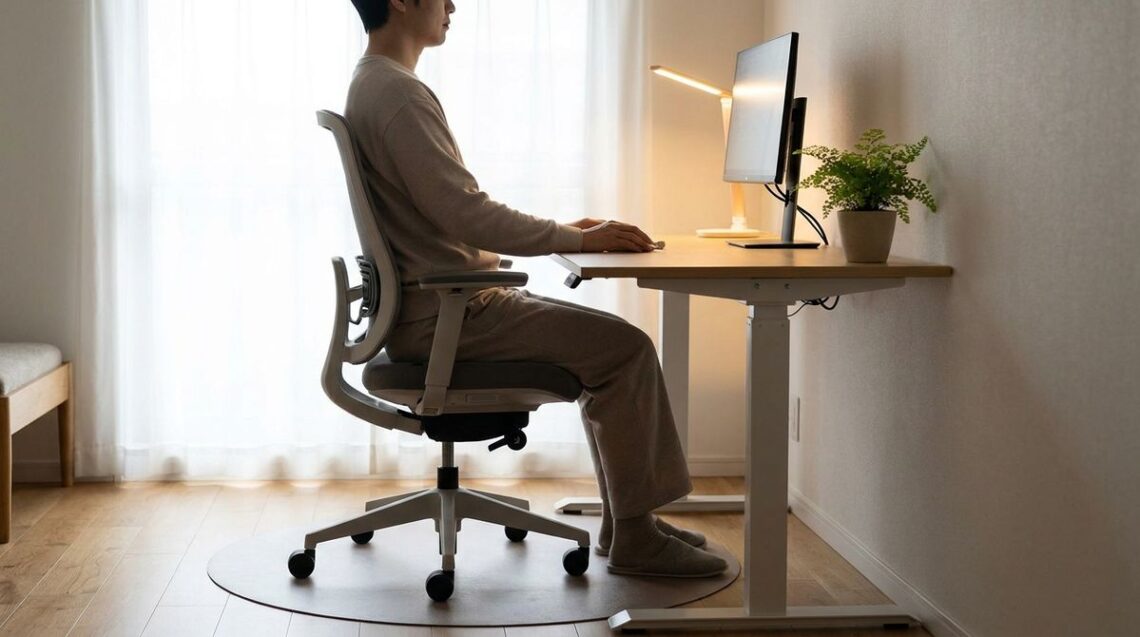
Optimizing Your Home Workspace for Comfort and Focus
Creating a functional workspace at home is more than just finding a desk and a chair. It involves arranging an environment that supports your daily tasks while maintaining a sense of order. When you spend significant time working from a home office, the way your space is organized can affect your ability to focus and your overall comfort. A thoughtful approach to your workspace can help you separate professional activities from household life, creating a clearer boundary.
The goal is to design a space that serves your specific needs. This might mean dedicating a quiet corner, repurposing a small room, or simply optimizing a dining table for temporary work. Regardless of the size, the principles of comfort and efficiency remain similar. Small adjustments, such as improving lighting or reducing physical clutter, can have a noticeable impact on how you approach your daily tasks.
Defining Your Essential Workspace Needs
Before making changes, take time to evaluate what you truly require to be productive. Consider the nature of your tasks and the physical demands of your work. Do you need a large surface area for papers, or is your work primarily digital, requiring minimal desk space? Assessing these requirements helps you avoid purchasing items that might not contribute to your efficiency.
Many individuals find that their workspace needs evolve over time as their projects change. Understanding your long-term goals for your space is essential before making purchases. If you are also working on other endeavors, you may find it useful to review Strategies for Balancing Passion Projects and Finance to help manage the overall financial landscape of your activities.
Think about the equipment that is absolutely necessary. A comfortable chair is often the most important element for support. Similarly, having a display or monitor positioned at the correct height can prevent strain. By focusing on the essentials, you can create a streamlined environment that supports your workflow without unnecessary distractions or clutter.
Prioritizing Ergonomics and Environment
Ergonomics is often misunderstood as simply having a chair with many adjustments. In reality, it is about how you interact with your entire environment. The height of your desk relative to your chair should allow your arms to rest comfortably while you type. Your feet should ideally be flat on the floor or a footrest.
Lighting is another crucial component. Natural light is generally preferred, but when that is unavailable, a combination of overhead lighting and task lighting can reduce eye fatigue. Positioning your screen to avoid direct glare from windows or lamps is a simple way to improve your comfort. Controlling the temperature and airflow in your workspace can also contribute significantly to your ability to stay focused.
A calm environment helps maintain mental clarity. Consider the visual impact of your space. Keep cables organized and clear away items that do not contribute to your current project. Small changes to the arrangement of your furniture can often lead to a more inviting and productive workspace. Focus on creating a space that feels comfortable enough to stay in for extended periods.
Strategic Approaches to Workspace Investment
When you decide it is time to invest in your workspace, it is beneficial to look at your purchases as long-term additions rather than temporary fixes. Research the materials and durability of the furniture and equipment you are considering. Quality items tend to offer better support and last longer, which can be more economical over time.
When considering how to fund necessary equipment upgrades, exploring different financial perspectives can be helpful. Resources like Richname.net provide a broad overview of financial considerations that might apply to both personal and business-related purchases.
It is helpful to consider the following when planning your workspace upgrades:
- Prioritize comfort and support above aesthetic trends.
- Research the long-term durability of equipment before purchasing.
- Look for modular furniture that can adapt to different needs.
- Ensure your chosen equipment fits well within your available area.
- Evaluate how each item contributes to your daily workflow.
Maintaining Focus in Your Dedicated Space
Establishing a routine is as important as the physical setup of your workspace. Without a clear structure, it can be easy to lose focus or allow tasks to bleed into your personal time. Try to establish a ritual that signals the beginning and the end of your workday. This could be as simple as clearing your desk at the end of the day or organizing your tasks for the following morning.
Minimize distractions by keeping your workspace tidy and free of items unrelated to your tasks. If you work in a shared area, consider using tools that signal when you are busy, such as headphones or a dedicated lamp. Setting clear expectations for yourself and others regarding your working hours can help preserve the integrity of your workspace and your focus.
Regularly reassess your space. If you find yourself consistently uncomfortable or distracted, look for the source of the issue. Perhaps the lighting needs adjustment, or your chair requires repositioning. Being proactive about these adjustments ensures that your space continues to support your productivity rather than becoming a source of stress.
Scaling Your Setup Over Time
Your workspace does not need to be perfect immediately. Many successful setups are built in stages as needs become clearer. Start with the basics and observe how you use the space before adding specialized equipment. This approach allows you to make informed decisions based on your actual experience rather than assumptions about what you might need.
When you are ready to adjust your budget to accommodate long-term improvements, it helps to keep a broader perspective. You can find guidance on managing savings and future expenditures at Money-plans.com to better align your current spending with your future needs.
As you gain experience in your space, you may find that you need to reorganize or upgrade components. This is a natural part of developing a productive environment. Stay flexible and open to making adjustments that better serve your working habits. A functional workspace is one that grows alongside your professional activities and continues to support your comfort as you pursue your goals.

You May Also Like

How to Manage Cross-Border Partnerships for Remote Teams

4 Solid Reasons Why Our Eco-Friendly Cleaning Service Sweeps the Floor withCompetition