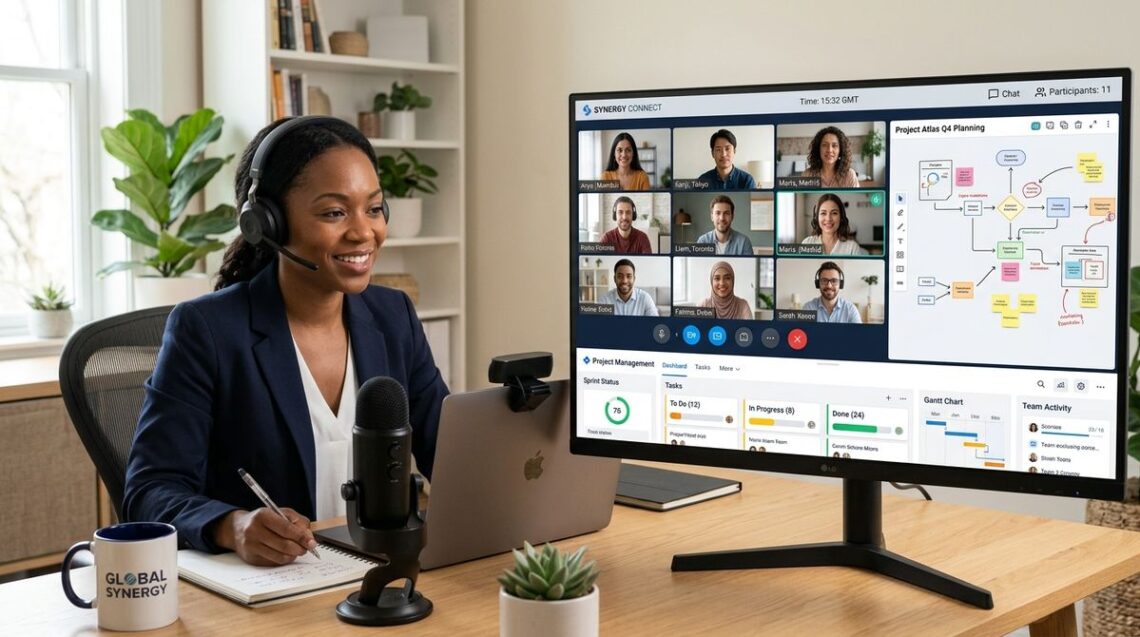
The Evolving Dynamics of Mentorship in Remote Workplaces
Mentorship has long been a cornerstone of professional growth, acting as a bridge between seasoned experience and eager ambition. In traditional office environments, this connection often happened spontaneously. A quick conversation by the coffee machine or a shared walk to a meeting could turn into a profound teaching moment. However, as professional landscapes shift, the nature of these relationships must adapt. Mentorship in a remote setting requires more than just goodwill; it demands intentionality, patience, and a fresh approach to communication that transcends digital screens.
The Changing Landscape of Mentorship
The transition toward remote and distributed work environments has fundamentally altered how knowledge is transferred within organizations. Without the benefit of physical proximity, the informal observation of mentors—watching how they handle difficult calls, structure their days, or interact with team members—is largely lost. This absence necessitates a shift in perspective. Mentorship can no longer be a passive activity where a junior professional simply waits to be noticed. Instead, it must become a proactive partnership driven by clear communication and structured interaction.
For many professionals, this evolution feels daunting. The lack of visible cues, such as body language or the ability to gauge a mentor’s availability, can lead to hesitation. Yet, this new dynamic also offers distinct advantages. Remote mentorship creates a level playing field where communication is often more deliberate and documented. It forces both mentors and mentees to be clearer about their goals, expectations, and the specific skills they hope to exchange. The challenge lies in creating the same sense of trust and rapport that was once forged through physical presence.
Effective mentorship now requires a heightened focus on active listening and thoughtful preparation. Because interaction is limited, every conversation becomes more valuable. The focus must be on maximizing the quality of these exchanges rather than relying on the quantity of time spent together. This shift requires both parties to take ownership of their development, ensuring that mentorship remains a vibrant and essential part of their professional life, regardless of their physical location.
Creating Structured Opportunities for Guidance
To succeed in a remote mentorship dynamic, structure is essential. Without it, these relationships often drift, failing to deliver the sustained growth both parties desire. A primary way to establish this structure is through regular, dedicated meeting times that are protected from the distractions of daily work. By treating these sessions with the same importance as client meetings or high-stakes project reviews, participants signal their commitment to the process.
Organizations focusing on team development often find that traditional mentorship requires a deliberate redesign. By exploring resources such as teleworkpeople.com, managers can discover approaches to building high-performance teams that thrive without physical presence, which inherently supports stronger mentorship frameworks.
A successful structure should include clear, actionable components. While the relationship should be organic, having a loose agenda helps ensure progress. Consider the following elements for your sessions:
- Regular Check-ins: Establish a recurring time for focused conversation.
- Goal Setting: Explicitly define what the mentee aims to learn during this period.
- Reflection Time: Dedicate space to discuss successes and challenges from recent projects.
- Skill Sharing: Focus on specific, teachable abilities rather than broad concepts.
- Feedback Loops: Create a safe space for candid assessments and constructive suggestions.
This approach moves the relationship from a casual chat to a purposeful professional development engagement. It provides the mentee with the roadmap they need to navigate their career path and gives the mentor a clear framework for delivering effective guidance.
Fostering Meaningful Connections
While structure provides the container for mentorship, the substance of the relationship remains rooted in connection. Building trust from a distance requires effort. It involves showing vulnerability, sharing honest experiences, and demonstrating a genuine interest in the other person’s development. A mentor who shares lessons learned from their own failures is often more impactful than one who only highlights their successes.
When seeking career-long advice and practical tips on success, many professionals turn to expert platforms. For instance, jobmarketeconomist.com offers insights that help individuals and managers improve their productivity and career trajectory, serving as a catalyst for deeper professional reflection.
Mentees, in turn, can foster these connections by being prepared and proactive. Bringing thoughtful questions to every session demonstrates respect for the mentor’s time and expertise. It also helps the mentor understand exactly how to best support the mentee. This bidirectional investment of energy transforms the relationship from a top-down instruction model into a partnership where both parties learn and grow.
Connection is also strengthened by finding common ground outside of immediate work tasks. While professional goals should remain the primary focus, understanding each other’s communication preferences, work styles, and long-term aspirations creates a stronger foundation for trust. This interpersonal element is what allows a mentorship to endure throughout different roles or even different organizations.
Aligning Mentorship with Professional Growth
The ultimate purpose of mentorship is to facilitate growth, yet growth is not a linear journey. It involves changing priorities, evolving skill sets, and adapting to new professional environments. Effective mentorship must be flexible enough to accommodate these shifts. It is important to periodically revisit and refine the goals set at the beginning of the relationship to ensure they remain relevant to the current professional context.
As individuals continue navigating their professional environments, they may find value in reviewing previous advice on adjusting to a modern hybrid professional lifestyle to better understand how mentorship intersects with changing work habits and evolving workplace demands.
Aligning mentorship with professional growth also means recognizing when a relationship has served its purpose or when the focus needs to change. A mentor might provide excellent guidance during a phase focused on technical skill acquisition but may be less suited to support the mentee when they shift toward management responsibilities. Being open about these transitions is a hallmark of a healthy mentorship. It allows both parties to pivot, ensuring that the guidance provided remains aligned with the mentee’s current needs and future ambitions.
Sustaining Development Through Ongoing Dialogue
Sustaining a mentorship over the long term requires ongoing dedication. It is easy for momentum to be lost when competing demands crowd out time for reflection. The key is to view mentorship not as a finite project with a clear end point, but as a continuous process of dialogue and improvement. By prioritizing these interactions, both mentors and mentees invest in their own professional future.
The success of the relationship is ultimately measured by the growth achieved and the clarity gained. When both participants remain committed to the dialogue, they build a lasting resource that aids them throughout their professional lives. While the methods of communication may have changed, the fundamental human need for guidance and connection remains, and with the right approach, mentorship continues to be a vital component of career success in any professional environment.


You May Also Like
Choosing Games for a Group With Mixed Experience Levels

Planning a Day Out That Leaves Room for Spontaneity