Understanding the Modern Market for Precious Metals
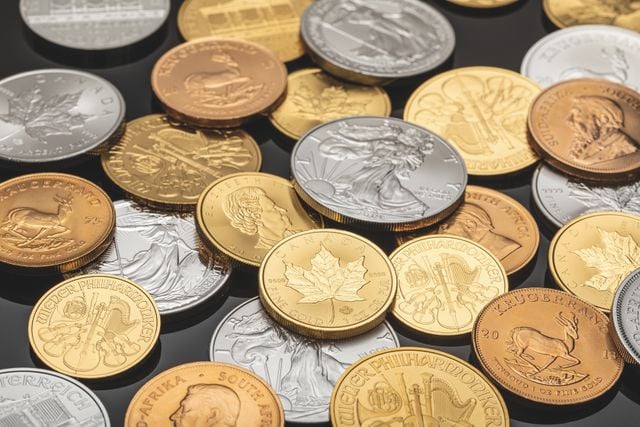
Gold has fascinated civilizations for thousands of years. From ancient kingdoms to modern financial markets, it has maintained a reputation as one of the world’s most valuable and trusted assets. While gold is often associated with investment portfolios and central bank reserves, it also plays an important role in personal finance. Many individuals own gold in the form of jewelry, coins, heirlooms, or collectibles without fully understanding its potential value in today’s marketplace.
As economic conditions fluctuate and consumer needs change, more people are taking a closer look at the assets they already own. This has led to increased interest in understanding how gold is valued, bought, sold, and recycled within the broader precious metals market.
Why Gold Retains Its Value
Unlike many consumer products that depreciate over time, gold has historically maintained intrinsic value because of its rarity, durability, and universal recognition. Gold does not corrode, can be easily divided and refined, and is accepted worldwide as a store of wealth.
Financial markets often view gold as a hedge against inflation and economic uncertainty. During periods of market volatility, investors frequently increase their exposure to precious metals as a way to diversify risk. This ongoing demand contributes to gold’s long-term stability compared to many other asset classes.
Beyond investment demand, gold continues to be used in jewelry manufacturing, electronics, medical technology, and aerospace applications. These practical uses further support demand across global markets.
Factors That Influence Gold Prices
Several factors contribute to fluctuations in gold prices.
Global Economic Conditions
Economic uncertainty often increases investor demand for precious metals. Concerns about inflation, geopolitical instability, or financial market volatility can influence buying activity.
Interest Rates
Gold does not generate interest or dividends. As a result, changes in interest rates can affect investor preferences between gold and income-producing assets.
Currency Strength
Gold is commonly priced in U.S. dollars. When the dollar weakens, gold may become more attractive to international buyers, potentially increasing demand.
Supply and Demand
Mining production, recycling activity, industrial demand, and investment trends all influence overall market conditions.
Because these factors continuously evolve, gold prices can fluctuate significantly over both short and long periods.
Understanding Gold Purity
One of the most important concepts in the gold market is purity.
Gold purity is typically measured in karats:
- 24K gold is considered pure gold.
- 22K gold contains approximately 91.7% gold.
- 18K gold contains 75% gold.
- 14K gold contains 58.3% gold.
- 10K gold contains 41.7% gold.
Many jewelry items are created using gold alloys rather than pure gold because mixing gold with other metals improves durability and wear resistance.
Understanding purity is essential when evaluating the potential value of gold items.
The Growing Importance of Gold Recycling
Mining remains a major source of global gold supply, but recycling has become increasingly important in recent years.
Gold recycling involves recovering precious metals from jewelry, industrial components, electronic devices, and other products. Because gold can be refined and reused repeatedly without losing its properties, recycled gold contributes significantly to the overall supply chain.
This process offers environmental benefits as well. Recovering existing gold often requires fewer resources than extracting new material from mining operations.
As sustainability becomes a larger focus across industries, recycling initiatives are likely to play an increasingly important role in the precious metals market.
Evaluating Unused Gold Assets
Many households contain gold items that are no longer being worn or actively used. Broken jewelry, outdated pieces, inherited collections, and mismatched items can all retain significant value based on their gold content.
Before deciding what to do with these assets, it is often beneficial to understand their weight, purity, and current market value. Reputable buyers typically evaluate these factors when determining pricing.
For individuals interested in learning more about gold resale, understanding how gold is appraised and valued can help create greater transparency throughout the selling process. Knowledge of market pricing, purity standards, and evaluation methods allows consumers to make more informed decisions regarding their precious metal assets.
Gold’s Role in Personal Financial Planning
Gold serves different purposes for different people. Some view it as a long-term investment, while others appreciate its cultural significance or sentimental value. In many families, gold jewelry and collectibles are passed down through generations as treasured heirlooms.
At the same time, changing financial priorities may lead individuals to reassess assets they own. Understanding the value of precious metals can help people make decisions that align with their current goals, whether those involve investment, savings, debt reduction, or major purchases.
The key is approaching these decisions with accurate information and a clear understanding of market conditions.
Looking Ahead
Gold continues to occupy a unique position within the global economy. Its combination of historical significance, practical applications, and enduring value has allowed it to remain relevant across centuries of economic change.
Whether held as an investment, worn as jewelry, or preserved as a family heirloom, gold remains an asset that many people encounter throughout their lives. By understanding how gold markets operate, how value is determined, and how recycling contributes to supply, consumers can make more informed decisions about their precious metal holdings and their role within broader financial planning strategies.


You May Also Like

Wyoming Wellness: Building Robust Group Health Insurance Packages for Employees

Who can help law students in the USA complete assignments?