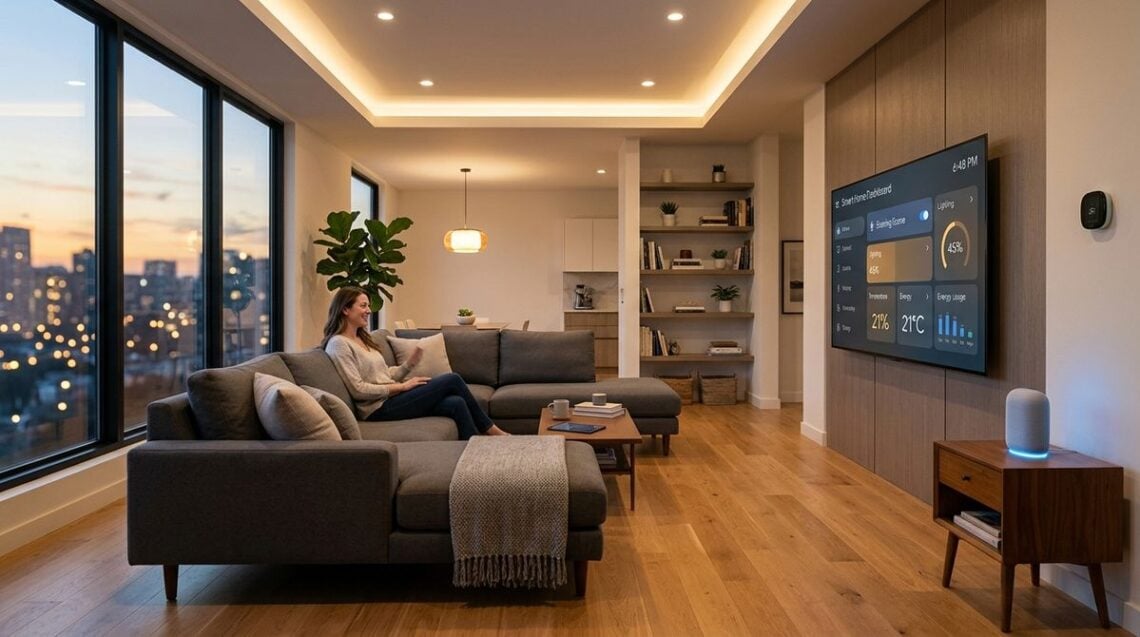
Revitalizing Your Living Space for Comfort and Wellness
Creating a home environment that truly supports your daily life requires more than just picking out new furniture or choosing the right paint color. It is a process of observation, adjustment, and intentional living. When you take the time to understand how light, air, and space function within your walls, you can transform a standard living area into a sanctuary that feels both functional and restorative. This journey toward a better living space often starts not with major renovations, but with smaller, thoughtful changes that align your home with your personal needs.
Maximizing Natural Light in Your Home
Natural light plays a significant role in how we perceive and enjoy our homes. Even in older structures with limited window space, there are ways to enhance the brightness and clarity of each room. Begin by assessing the placement of your largest furniture pieces. Often, we place bookshelves or tall cabinets near windows, inadvertently blocking the path of incoming sunlight. By simply rearranging these items to corners or walls perpendicular to the windows, you can immediately allow more light to penetrate deeper into the room.
Mirrors are another powerful tool in the arsenal of a home decorator. Placing a mirror opposite a window reflects the light back into the space, effectively doubling the impact of the natural rays. Consider also the type of window treatments you use. While heavy drapes might offer privacy, they can often make a room feel closed off and dim. Opting for lighter, sheer curtains or adjustable blinds allows you to control light levels throughout the day without sacrificing the airy feeling of the room. The goal is to create a dynamic environment that changes gracefully from morning to evening, reflecting the rhythms of the day.
Creating a Breathable Atmosphere
A comfortable home is one that feels fresh, and air circulation is the key to achieving that sense of cleanliness and vitality. Stagnant air can make a space feel heavy and uninviting, regardless of how well-decorated it might be. To encourage better flow, start by evaluating the layout of your furniture. If large pieces obstruct doorways or hallway passages, air cannot move freely from one room to another. Creating clear, unobstructed paths is essential for natural ventilation.
Decluttering is perhaps the most practical step you can take to improve the breathability of your living area. Surfaces covered in stacks of items, papers, or unused objects hinder airflow and accumulate dust. By keeping surfaces clear, you not only make the space look larger but also allow for a better distribution of air. Simple habits, such as opening windows in opposite rooms to create a cross-breeze, can make a significant difference. You might also consider the use of ceiling fans, which help circulate air more efficiently, keeping a room feeling temperate and fresh during warmer periods. Maintaining a steady flow of fresh air is a fundamental component of a healthy lifestyle.
Thoughtful Design for Daily Living
Good design is often invisible; it works so well that you do not notice it until something is missing. When you are looking to refine the functionality of your interior, it helps to be methodical. Consider the flow of movement between tasks, such as how you transition from your cooking area to your dining space. When planning these updates to create a more efficient interior design plan, you might look for fresh perspectives on how to find the latest design inspirations by visiting huizhiseed.com for guidance.
An effective design plan should account for both your immediate needs and the long-term usability of the space. Instead of filling a room with decorative pieces that offer little utility, focus on selecting items that serve a clear purpose while enhancing the overall aesthetic. For example, a well-chosen ottoman can provide extra seating, serve as a footrest, and offer internal storage for blankets or magazines. By prioritizing versatility and thoughtful placement, you ensure that your home remains a space that can adapt to different activities, from quiet evenings alone to social gatherings with family and friends.
Staying Ahead with Regular Maintenance
Even the most beautifully designed home requires consistent maintenance to remain comfortable and safe. Neglecting small issues, such as a dripping faucet, a loose floorboard, or the gradual accumulation of dust in vents, can lead to larger problems that compromise the integrity and comfort of your living space. Establishing a routine for basic home care is a habit that pays dividends in both longevity and peace of mind.
To keep your home systems running smoothly, it is often useful to check Build Green Atlantic for practical maintenance tips. This kind of proactive approach allows you to address minor repairs before they become major inconveniences. Regular maintenance is not just about fixing what is broken; it is about sustaining the environment you have worked so hard to create. Whether it is cleaning your windows to improve light intake, checking plumbing fixtures for minor leaks, or simply ensuring that your HVAC system filters are clean, these small efforts collectively ensure that your home remains a well-functioning haven.
Creating a Cohesive Home Environment
As you work through these improvements, aim for a sense of coherence across your living areas. A resilient home is one where every room feels like a part of the same whole, sharing a consistent sense of purpose and style. It is easy to treat every room as an isolated project, but the true comfort of a home comes from the harmony of the entire floor plan. Building on the principles we discussed in balancing utility and aesthetics for a resilient home, it is important to remember that every change you make should serve both function and comfort. The goal is to move beyond the temporary solutions and toward a space that is designed to endure.
Consider adopting a few simple habits to maintain this coherence:
- Establish designated spots for essential items to reduce daily clutter.
- Stick to a consistent color palette to unify disparate rooms.
- Evaluate your space periodically to ensure it still meets your current needs.
- Prioritize natural materials that age gracefully over time.
- Adjust lighting schemes seasonally to match the change in natural daylight.
By consistently applying these principles, you create a space that feels intentional. This does not mean achieving perfection; it means creating a home that is responsive to your life and supportive of your daily habits. It is the small, persistent choices that eventually form the character of your living space.
Enjoying Your Improved Environment
Once you have addressed the lighting, improved the airflow, and streamlined your design choices, take the time to truly inhabit your home. The ultimate measure of a successful living space is how it makes you feel when you return to it at the end of the day. A space that is well-maintained, thoughtfully designed, and filled with light is inherently restorative. It offers a refuge from the busy world and provides a stable foundation for your daily activities. While the process of refinement is ongoing, the effort you invest in your home brings lasting rewards in comfort, ease, and personal satisfaction.


You May Also Like

A Hobby Gaming Checklist for Learning New Controls

Helping Teens Balance After-School Jobs and Classroom Demands