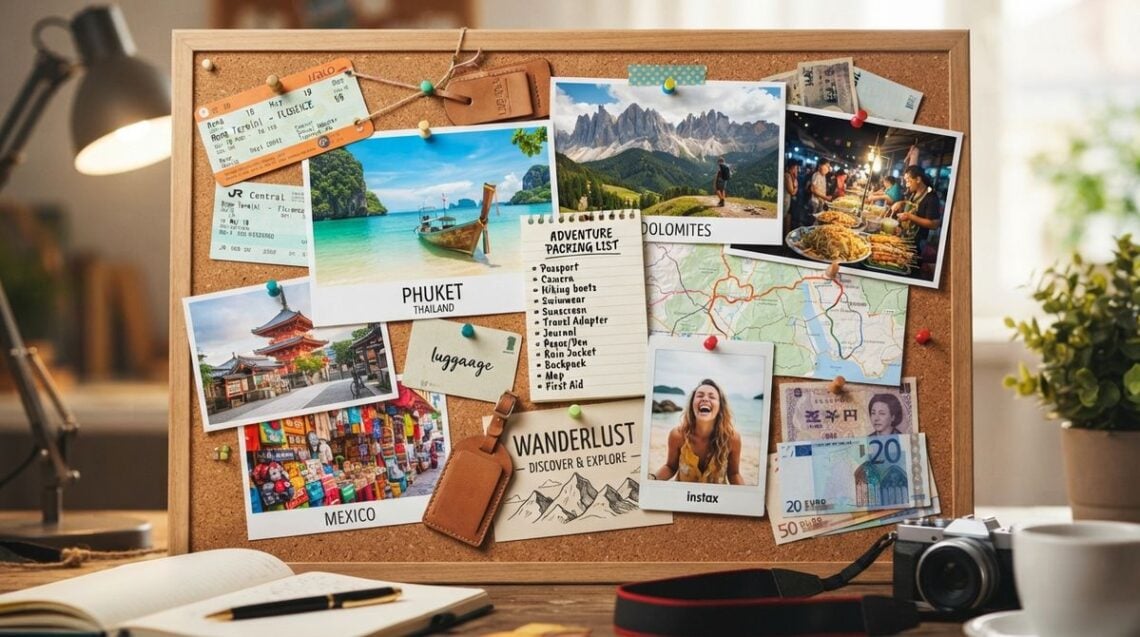
Planning Restful Family Vacations That Broaden Horizons
Family vacations carry a unique kind of weight. Parents often feel an unspoken pressure to deliver an unforgettable adventure filled with landmark sights, cultural lessons, and constant entertainment. Yet in the scramble to squeeze every possible experience into a limited calendar, travel can easily devolve into a checklist of obligations that leaves everyone exhausted. The challenge lies in finding a balance between active exploration and genuine rest.
When handled with intention, travel offers young people an unmatched window into the wider world. Experiencing different customs, tasting unfamiliar dishes, and walking through historic streets helps nurture adaptable individuals. Achieving this outcome does not require marathon itineraries. Instead, it demands prioritizing depth over volume, allowing family members to absorb their surroundings at a sustainable human pace.
Establishing a Sustainable Daily Travel Cadence
The most frequent mistake in family travel planning is attempting to mirror the speed of solo travelers or adult tour groups. Children need downtime to process new sensory inputs, while adults need quiet intervals to recharge. Overloading days with back-to-back museum tours and excursions frequently leads to short tempers, undermining the very reason for taking a holiday.
Establishing a predictable morning structure offers reliable defense against travel exhaustion. When staying in hotels or rental properties, keeping wake-up times and breakfast routines relatively orderly prevents unnecessary friction. Just as using a morning checklist for getting young children ready prevents chaotic starts at home, setting a steady pace during vacation mornings allows everyone to wake up gently before heading out into unfamiliar surroundings. Starting the day with calm conversation and a solid meal sets an agreeable tone for the hours ahead.
Building mid-afternoon pauses into the schedule is equally vital. Stepping away from bustling crowds during the warmest hours of the day gives younger travelers a chance to nap or enjoy unstructured play. Parents can use these breaks to unwind without feeling guilty about missed sightseeing opportunities.
Selecting Destinations That Foster Natural Curiosity
Choosing where to go involves more than finding adequate lodging. The most rewarding destinations offer a blend of accessible history, distinctive geography, and spaces designed for leisurely wandering. Rather than picking dense urban centers where transit logistics consume substantial energy, many families find greater satisfaction in environments that celebrate natural landscapes and maritime traditions.
Finding the right base camp can anchor the entire journey. For travelers seeking coastal beauty and restorative environments, exploring dedicated travel portals like Santorini-Resort provides helpful perspective on how scenic settings and thoughtful amenities can support genuine rest while introducing travelers to distinct architecture and local maritime history. When accommodations offer open spaces and simple access to outdoor paths, children can explore freely within safe boundaries while parents truly unwind.
In addition, opting for locations that encourage walking over driving reduces transit-related irritability. Strolling through a town square or along a harbor promenade invites spontaneous interactions with local residents and shopkeepers. These unplanned moments often linger far longer in memory than formal tours.
Preparing Young Minds for New Cultures Before Leaving
Anticipation forms a significant part of any journey and serves as an educational tool. When children arrive in a new region without prior context, historic monuments can feel dry and unfamiliar languages may seem intimidating. Introducing destinations well before departure builds curiosity and turns every family member into an active participant.
Reading maps, studying local customs, and learning about distant geography can transform an ordinary trip into an eye-opening adventure. Browsing informative resources such as worldatlasbook.com encourages travelers to learn more about the world, push their everyday boundaries, and appreciate the shared humanity found across different regions before they even pack their bags. Engaging with stories and geographic narratives helps young travelers identify regional landmarks and understand why certain traditions exist.
Simple activities at the dining table can also spark excitement. Cooking a meal inspired by the destination or listening to traditional music from the area turns preparation into a fun family ritual. By departure day, children recognize the sights and flavors as pieces of a story they have already begun exploring.
Simple Principles for Smoother Days on the Road
Keeping family travels manageable requires practical systems that keep everyone aligned and comfortable. Implementing a handful of straightforward guidelines helps avoid common disputes over dining choices, walking distances, and daily agendas.
Consider incorporating these collaborative habits into your next itinerary:
- Designate one quiet afternoon window every day for reading, napping, or resting without screens.
- Allow each family member to select one landmark, park, or activity that they personally guide.
- Limit major transit segments to alternate days so travel time never dominates consecutive days.
- Encourage daily sketching or brief journaling sessions to capture immediate personal impressions.
Giving children a degree of ownership over daily choices changes their demeanor entirely. When a young person knows that their chosen visit to a local park or bakery is scheduled for the afternoon, they display far more patience during morning cultural stops. Shared ownership fosters mutual respect and reduces friction.
Flexibility remains the cornerstone of good travel. If an attraction queue is unexpectedly long or weather conditions turn foul, viewing the change of plans as an opportunity rather than a setback preserves family morale. A spontaneous visit to a neighborhood bookstore or an hour spent watching boats in a harbor can easily become the highlight of the trip.
Bringing Travel Insights Back into Everyday Life
The true value of family travel often reveals itself long after luggage is unpacked. Stepping outside domestic routines provides children with an expanded view of everyday life across different regions. They see that people communicate, eat, build homes, and spend their leisure hours in diverse, creative ways.
To keep these lessons alive, carve out time for reflection once you return home. Looking through photographs together, discussing favorite local dishes, and identifying new interests discovered on the road helps solidify what everyone learned. Children often notice subtle differences in how communities interact, prompting insightful questions about their own hometown.
Cultivating a spirit of exploration does not depend on perpetual movement or lavish spending. It relies on a willingness to observe carefully, listen generously, and meet unfamiliar cultures with patience. By planning family vacations that honor both physical rest and mental curiosity, parents can give their children memories that endure and an appreciation for the vast world around them.


You May Also Like

After the Wreck: Essential Legal Steps Every Atlanta Driver Should Know

Practical Ways to Build an Independent Digital Publication