Sun Protection Routines for Toddlers in Strong Sunlight
Toddlers spend much of their summer outdoors, running, digging, and splashing in the garden or at the park. Their skin is thin and sensitive, and they are not yet able to tell when they are getting too much sun. Sun protection for young children is therefore less about willpower and more about routines that adults can manage consistently. This article covers clothing, shade, sunscreen use, and simple daily habits. It is general information only, and parents should ask a doctor or pharmacist about any specific skin conditions or allergies.
Why toddlers need extra care
A toddler’s skin is still developing and can burn more easily than an adult’s skin in similar conditions. Their smaller size also means that a little sunburn can cover a larger share of their body than it would for an adult, which makes protection particularly important. Children also tend to play in bursts, so they may not realize how long they have spent in the sun. Many toddlers hate having products rubbed onto their skin, which can make application a daily struggle. Strong sunlight can cause redness and discomfort that may last longer than expected. Because of these factors, adults should take the lead by planning outdoor time carefully and by making protection a predictable part of every day outside.
Clothing and shade first
The best protection is often the simplest. Lightweight, long-sleeved tops and loose trousers or leggings made from tightly woven fabric can block a lot of sunlight while keeping the child cool. A wide-brimmed hat with a chin strap protects the face, ears, and neck far better than a cap, and sunglasses with good coverage can help too. Choose outdoor play times that avoid the strongest midday hours where possible, and use parasols, trees, or canopies for shade during playtime. Many parents keep a spare set of clothes in the bag, since a toddler who gets wet or sweaty may need a change. Clothing and shade should always be the first line of defence before reaching for sunscreen.
Choosing and applying sunscreen
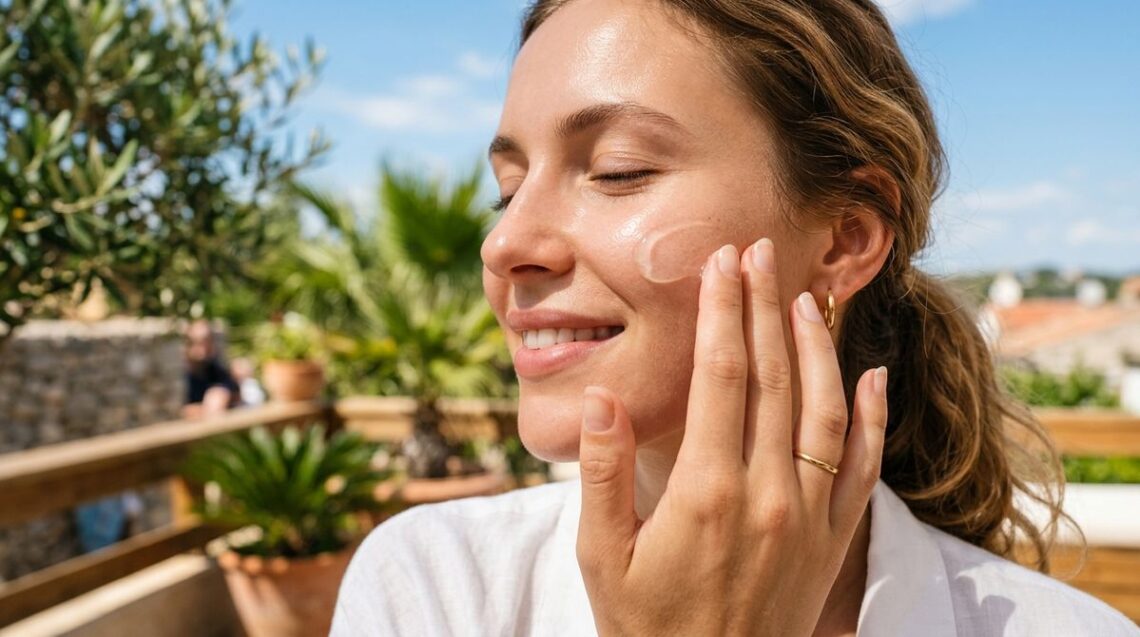
Sunscreen is an important addition to clothing and shade, especially for exposed skin such as the face, hands, and feet. Look for a product labelled suitable for children, and check the ingredients if your toddler has sensitive skin or known allergies. Apply a generous layer before going outside, and reapply after swimming, towel drying, or sweating. Many parents find it helpful to let the child apply a little themselves, which builds cooperation. Readers may also want to visit Alternatives Times.
Making routines stick
Children respond well to predictable habits. Keep sunscreen, a hat, and a water bottle in the same place by the front door, so the routine starts automatically each morning. Use a song, a sticker chart, or a short story to make the process feel like a game rather than a chore. Praise the child for wearing their hat or allowing a quick top-up, rather than focusing on resistance. Some families turn sun protection into a shared activity, such as checking each other’s hats before heading to the garden. When adults model the same habits, toddlers tend to accept them more readily. You can also visit regated.com for more reading.
Watching for sunburn and heat stress
Even with careful planning, a toddler may still get too much sun. Watch for red, hot, or tender skin, unusual crankiness, or a child who suddenly seems tired and wants to rest. Move the child into shade, offer water, and cool the skin gently with a damp cloth if they are uncomfortable. For a related read on this site, see Setting Up a Gaming Corner That Stays Dry. If blistering appears, a toddler has a fever, or they seem very unwell, contact a doctor promptly. Babies under six months should be kept out of direct sunlight altogether, and any questions about infant skin should be directed to a health professional.
Consider these simple habits for everyday outings:
1. Apply sunscreen to exposed skin about fifteen minutes before going outside, then reapply as needed.
2. Pack a hat, a shirt, and a water bottle in the same bag every time.
3. Plan splash time and sandpit play for shady spots whenever possible.
4. Check the skin after each outing and note any changes to share with a doctor.
Sun protection works best when it becomes a natural part of family life. Clothing, shade, sunscreen, and water together give toddlers the best chance of enjoying summer safely. Keep the mood light, stay consistent, and treat each outing as a chance to practice good habits. If you have worries about a particular rash or reaction, a doctor or pharmacist can offer the most useful advice for your child.


You May Also Like

The Ultimate Guide to Enclosed Car Shipping Services with A1 Auto Transport Company

Practical Ways to Streamline Your Daily Digital Finances