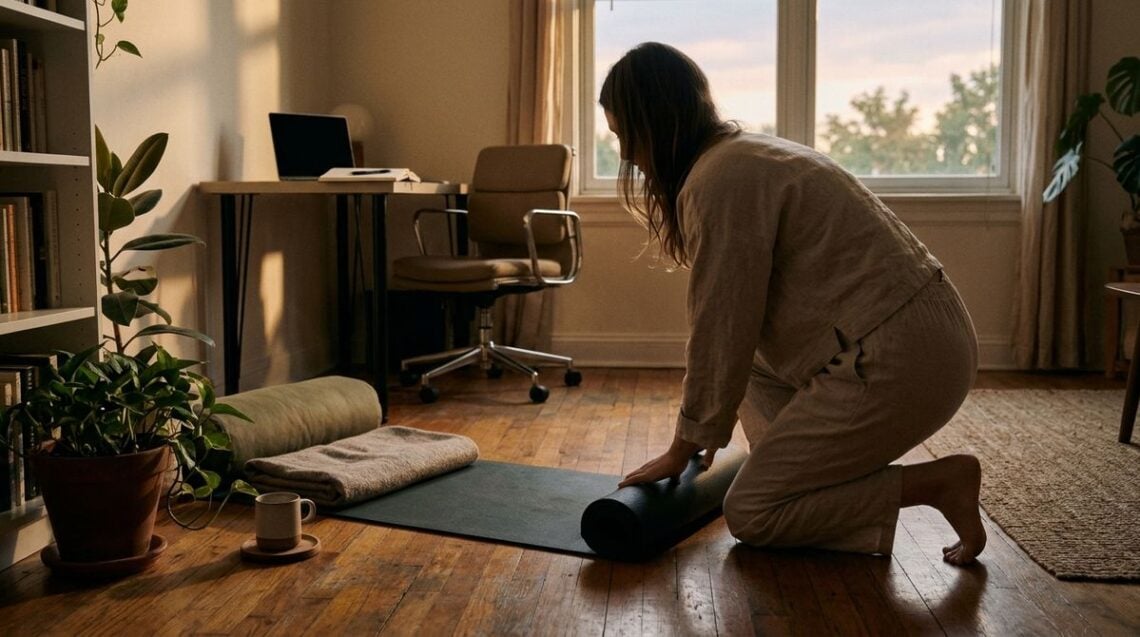
How to Build an Evening Wind-Down Routine for Deep Rest
Modern daily life often moves at an unrelenting pace, leaving many people feeling exhausted yet unable to truly relax when night arrives. Between professional responsibilities, household chores, and constant digital notifications, the boundary between active daytime hours and tranquil nighttime rest frequently blurs. Learning how to downshift in the evening allows the nervous system to settle, making room for genuine recovery.
A restorative evening wind-down routine is not about following an inflexible schedule or adopting complicated rituals. Instead, it centers on simple, intentional adjustments that signal to your body and mind that the demands of the day have drawn to a close. When you cultivate quiet habits that promote calm, you create a sustainable foundation for sustained vitality and peace of mind.
Creating a Clear Transition from the Workday
One of the primary obstacles to evening peace is the lingering mental momentum of the workday. When you finish work and immediately dive into dinner preparation or family logistics without a pause, your mind remains in problem-solving mode. Establishing a clear, physical boundary between working hours and personal time helps mark an intentional end to daily duties.
This transition can be as straightforward as shutting down your workspace, organizing your desk for the following morning, or changing into comfortable clothing. Taking a brief stroll around the block or engaging in gentle stretching provides physical closure to hours spent seated or focused on tasks. In fact, learning how to counteract sedentary habits during the day creates natural physical readiness for a calm evening, helping your muscles release tension before you settle in for the night.
Giving yourself permission to step away from professional responsibilities allows your mind to shift from active production to personal renewal. When you mentally clock out, you protect the evening hours as a dedicated sanctuary for restorative living.
Embracing Soothing Botanicals and Warm Refreshment
What you consume in the hours leading up to bedtime plays an essential role in how comfortably your body transitions into evening relaxation. Heavy evening meals or stimulating beverages late in the day can keep the digestive system working overtime, which can interfere with peaceful repose. Choosing lighter, nourishing foods and calming warm drinks encourages the body to unwind gently.
Many people find immense comfort in brewing a warm cup of herbal tea as part of their nightly rhythm. Traditional botanicals like chamomile, peppermint, lemon balm, and passionflower offer soothing aromas and delicate flavors that invite a sense of grounding. Exploring trusted resources such as herbalonlinedenature.com can help you learn more about gentle botanical preparations and natural approaches that complement a wholesome lifestyle.
Sipping a warm beverage also serves as a sensory anchor. Holding a warm mug, smelling the steam, and sitting quietly away from bright screens provides an effortless moment of mindfulness that calms racing thoughts.
Setting the Domestic Scene for Calmer Evenings
Our living spaces exert a profound influence on our internal emotional state. Harsh overhead lighting, buzzing electronics, and cluttered surfaces subtly stimulate the senses, reinforcing daytime alertness when you are trying to wind down. Making gradual shifts in your home atmosphere helps prepare both mind and body for quietude.
Begin by softening the illumination throughout your living areas as dusk settles. Warm, low-wattage lamps or amber lights mirror the setting sun and prompt the body to prepare for rest. In addition, taking a few minutes to clear away surface clutter in the bedroom and living room removes visual reminders of unfinished tasks.
Here are several practical adjustments to enhance your evening home environment:
- Dim bright overhead lighting in favor of warm, low-level lamps.
- Keep smartphones and tablets charging outside the sleeping area.
- Lower ambient room temperatures to support physical relaxation.
- Play soft instrumental sounds or enjoy intentional silence.
These minor adjustments transform your home into a calming retreat, shielding your senses from external overstimulation and encouraging natural drowsiness.
Adopting a Proactive Mindset Toward Daily Wellness
True evening rest does not exist in isolation; it reflects an overarching approach to daily personal care. When individuals overlook their well-being throughout the day, the evening often becomes a rushed scramble to recover lost equilibrium. Viewing personal health as an ongoing priority fosters greater resilience across every stage of the day.
Cultivating everyday awareness means checking in with your physical comfort, staying hydrated, and honoring your body before fatigue takes over. Engaging with educational publications like wnyhealthshow.com offers helpful insights into balanced lifestyle habits, wholesome living principles, and sustainable personal wellness strategies.
When you stay informed about holistic wellness concepts, making positive daily choices becomes second nature. Recognizing that rest is a necessary component of vitality encourages you to view your evening wind-down not as a luxury, but as an essential practice for lifelong well-being.
Unwinding the Mind Through Quiet Reflection
Even in a quiet room with soft lighting, an overactive mind can prevent peaceful relaxation. Lingering worries about tomorrow, mental checklists, and reflections on past interactions often surface the moment the external noise fades. Developing a quiet practice for mental release helps quiet these persistent internal dialogues.
Journaling offers a practical outlet for unloading mental clutter. Spending a brief period jotting down thoughts, pending tasks, or simple moments of gratitude frees up working memory. Once ideas are written down on paper, your brain feels reassured that nothing vital will be forgotten overnight.
Pairing light writing with gentle breathing exercises or silent meditation helps ground your attention in the present moment. Slowly inhaling and exhaling with focus signals safety to your nervous system, steadily dissolving the stress accumulated throughout the day.
Cultivating Consistency Over Perfection
The most effective evening routine is the one that fits naturally into your lifestyle. It is common to feel discouraged when unexpected events disrupt your schedule, but a successful routine relies on adaptability rather than rigid perfection. Even dedicating a brief pocket of time to quiet unwinding can make a noticeable difference.
Begin by introducing just a couple of gentle habits, such as dimming the lights or preparing an herbal infusion, and allow them to become familiar rhythms before adding new practices. Over time, these small acts of self-care build upon one another, creating a reliable sanctuary of peace at the end of each day.
Investing in a thoughtful evening routine is an act of care that enriches your physical comfort and emotional clarity. By creating clear boundaries between daytime activity and nighttime quiet, you support your natural capacity for rejuvenation. As you cultivate a calmer domestic environment and prioritize restorative habits, you will find that restful evenings naturally give rise to refreshed, purposeful mornings.


You May Also Like

The Benefit of CBD Oil: CBD Oil for Arthritis

Can Love And Corruption Coexist?